
The Allure of Chance
The thrill of uncertainty plays a significant role in attracting individuals to casino gaming. Gamblers are often drawn to the excitement of not knowing the outcome of their bets. This unpredictability evokes a sense of adventure, enticing players to engage in games of chance ranging from slot machines to poker tables. This psychological aspect relates closely to risk-taking behavior, where the potential for reward is seen as a significant motivator. For instance, some may find success through non gamstop casinos 2026 that offer unique gaming experiences.
Moreover, the design of casino environments contributes to this allure. Bright lights, engaging noises, and the festive atmosphere create a sensory experience that enhances excitement. The dopamine rush associated with potential wins further reinforces this behavior, making it hard for individuals to resist the temptation of gambling even when they are aware of the risks involved.
The Impact of Behavioral Conditioning
Casino gaming often involves elements of behavioral conditioning, which can significantly influence a person’s approach to gambling. Through reinforcement, players may develop a persistent desire to return due to past wins or the mere anticipation of a win. This conditioning can lead to habitual gaming behaviors, where individuals feel compelled to play repeatedly despite their financial situation.
Additionally, casinos frequently employ strategies such as loyalty programs and incentives to keep players engaged. These rewards can become a form of manipulation, where players chase after the next reward, creating a cycle that is challenging to break. Understanding this psychological conditioning is crucial in grasping why some gamblers may struggle with control over their gaming habits.
The Role of Social Influence
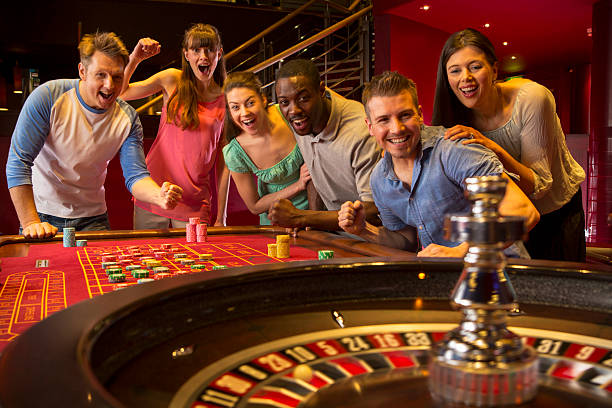
Social dynamics play a vital role in shaping casino gaming behaviors. Many individuals enjoy the communal aspect of gambling, finding excitement in the shared experiences within a casino. Social interactions can magnify the thrill and contribute to the enjoyment of gameplay, as players often cheer each other on or share strategies.
However, peer pressure can also have negative effects. Friends or companions who gamble can encourage riskier behaviors, leading individuals to place larger bets or engage in games they may not usually play alone. This social aspect can foster a competitive atmosphere, where the desire to fit in or impress others often outweighs personal caution.
The Psychology of Loss Aversion
One fascinating psychological theory related to gambling is loss aversion, which suggests that individuals experience losses more intensely than equivalent gains. This principle can explain why many gamblers continue to play even after experiencing significant losses. The fear of losing money can drive players to seek redemption through further gambling in hopes of recouping their losses.
As a result, the cycle of chasing losses can become a debilitating pattern. Gamblers may convince themselves that their luck will change, leading them to spend more time and money in pursuit of a winning streak. Understanding loss aversion in the context of casino gaming is essential for recognizing the psychological traps that can lead to detrimental financial decisions.
Insights on User Engagement and Experience
This website aims to provide valuable insights into the psychology behind gaming behaviors and their implications. By exploring various factors that influence gambling, users can better understand their motivations and triggers. Educational content can help individuals make informed decisions while navigating the complexities of casino environments.
Furthermore, by offering resources that enhance user experience, the website fosters a deeper engagement with the topic. Users can explore strategies to manage their gaming behaviors and learn how to maintain a balanced approach towards gambling. The goal is to empower individuals to enjoy their experiences while being mindful of the psychological elements that impact their behaviors in casinos.